

Turning FMCG Sales Data Into Decisions You Can Act On
FMCG teams in Brisbane are still reconciling distributor, POS and ERP data by hand. Here's how data analytics for fast moving consumer goods fixes that.
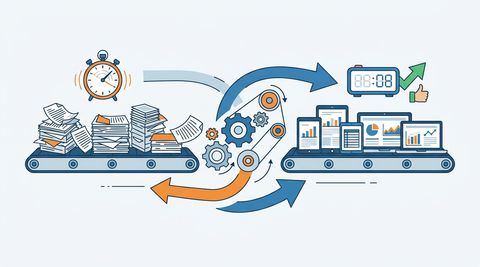
Your sales data is lying to you, not on purpose, but because it's scattered across three systems that don't talk to each other. That's the core problem with data analytics for fast moving consumer goods: the numbers exist, they're just never in one place at the same time. A Brisbane FMCG business might have distributor sell-through sitting in a spreadsheet, POS data trapped in a retailer portal, and stock levels living in an ERP system that updates on its own schedule. By the time someone stitches it all together, the promotion it was meant to inform has already ended.
Why FMCG Data Breaks Faster Than Other Industries
FMCG moves at a different speed to most sectors. Stock turns weekly, sometimes daily, and promotions run on tight windows where a two-week reporting lag means the decision arrives after the opportunity's gone. Brisbane distributors serving Queensland's regional network, from Toowoomba to the Sunshine Coast, deal with an extra layer of complexity: multiple depots, inconsistent SKU naming between retailers, and distributor-reported sales that rarely match what the ERP says was shipped.
None of this is unusual. It's just what happens when volume and velocity outpace manual reconciliation. The fix isn't more spreadsheets or a bigger finance team. It's connecting the source systems so the data reconciles itself, continuously, instead of once a month under deadline pressure.
What Connected FMCG Reporting Actually Looks Like
When distributor, POS and ERP data feed into one model, the questions your team already asks get answered in minutes rather than days. Which SKUs are overstocked at which depot? Which promotion actually lifted sell-through versus just shifted stock forward? Which retailer account is trending down before it shows up in the monthly numbers?
- One live view of sell-in versus sell-through, updated daily instead of reconciled monthly
- Automatic matching of retailer SKU codes to your internal product hierarchy
- Stock cover and depot-level visibility across South East Queensland sites
- Promotion performance you can see while the campaign is still running, not after
We've built this exact setup with a Brisbane-based distributor consolidating three separate retailer feeds into a single Power BI pack, cutting a two-day reconciliation job down to a same-day check. That's the kind of change that lets an ops manager make a reorder call on Tuesday instead of guessing until the Friday report lands.
Getting Started Without Overhauling Everything
You don't need to rip out your ERP or renegotiate every retailer data feed to get moving. Most Brisbane FMCG teams start with the two or three data sources causing the most pain, usually distributor sales and POS, and build out from there. Our FMCG reporting work with local distributors and manufacturers almost always starts this way: small, proven, then expanded once the team trusts the numbers.
The tooling matters less than the discipline of connecting sources properly, but for most Queensland FMCG businesses, Power BI ends up the right fit. It plugs into ERP systems like Xero, MYOB and NetSuite without much friction, and it's what most finance and ops teams already know how to read. If you're weighing up platforms, Power BI consulting in Brisbane is worth a conversation before you commit to a build.
Ready to stop reconciling by hand and start acting on same-day numbers? Get in touch with Roar Data and talk to our Power BI Brisbane team about connecting your distributor, POS and ERP data into one reporting pack built for how FMCG actually moves.
Does this sound familiar?
If your reporting has these same friction points, talk through what should change first.
More insights
Power BI Professional Services Brisbane: What Canberra Firms Need
Canberra professional services firms use Power BI for utilisation tracking, revenue forecasting and client analytics. Roar Data is the Brisbane team that makes it happen.
Choosing the Right Power BI Consultant: A Guide
For Brisbane businesses, selecting the right Power BI consultant is critical for data success. This guide outlines key considerations, red flags, and how to assess the best fit for your local needs.
Why Reporting Friction Costs More Than Most Brisbane Businesses Realise
Poor reporting does not only waste analyst time. It slows decisions, weakens accountability, and makes leadership meetings harder than they need to be.
Related services
Power BI Training Brisbane
Practical Power BI training for Brisbane teams that need reports to be maintainable, commercially useful, and easier to run day to day.
Explore servicePower BI Dashboard Development Brisbane
Dashboard development for Brisbane businesses that need clearer management reporting, stronger KPI accountability, and less spreadsheet rework.
Explore servicePower BI Managed Services
Ensure your dashboards stay accurate, secure and performance-ready with proactive Power BI monitoring, optimisation and continuous improvement.
Explore serviceGet a practical view of what your reporting should look like
If the issues in this article sound familiar, we can review your current reporting environment and show where the friction is coming from.